

double pane insulated windows
Backflow Check Valve Bescherming tegen terugstroming van vloeistoffen In de wereld van waterbeheer en vloeistoftransport is de backflow check valve een cruciaal onderdeel dat vaak over het hoofd wordt gezien. Deze klep speelt een essentiële rol in het waarborgen van de veiligheid en efficiëntie van leidingsystemen, vooral in situaties waarin er een risico bestaat op terugstroming van vloeistoffen. In dit artikel bespreken we wat een backflow check valve is, hoe het werkt en waarom het zo belangrijk is in verschillende toepassingen. Wat is een Backflow Check Valve? Een backflow check valve, of terugstroomklep, is een mechanische klep die voorkomt dat vloeistoffen terugstromen in een leidingsysteem. Het is ontworpen om de richting van de vloeistofstroom te beheersen en te zorgen dat deze alleen in één richting kan stromen. Dit is van cruciaal belang in systemen waar contaminatie van het drinkwater of andere vloeistoffen een serieus probleem kan zijn. Hoe Werkt een Backflow Check Valve? De werking van een backflow check valve is relatief eenvoudig. Wanneer de druk aan de inlaatzijde van de klep hoger is dan aan de uitlaatzijde, opent de klep automatisch, waardoor de vloeistof kan stromen. Zodra de druk aan de uitlaatzijde gelijk is aan of hoger is dan aan de inlaatzijde, sluit de klep. Hierdoor wordt voorkomen dat vloeistof terugstroomt naar de bron, wat vooral belangrijk is in sanitaire installaties en drinkwatervoorzieningen. Er zijn verschillende soorten backflow check valves, zoals balanskleppen, veerklepper en zwaartekrachtkleppen . Elke type heeft zijn eigen werkingsprincipe en toepassingsgebied, maar ze delen allemaal de gemeenschappelijke functie van het voorkomen van terugstroom. Waarom is een Backflow Check Valve Belangrijk? De toepassing van backflow check valves is cruciaal in een aantal contexten, waaronder backflow check valve 1. Waterdistributiesystemen In gemeentelijke waterleidingen zorgen backflow check valves ervoor dat vervuild water niet terugstroomt naar het drinkwatersysteem. Dit is essentieel voor het behoud van de waterkwaliteitsnormen en de volksgezondheid. 2. Industrieel Gebruik In de industrie worden backflow check valves gebruikt om te voorkomen dat gevaarlijke stoffen of chemicaliën terugstomen in de toevoerleidingen. Dit beschermt niet alleen de apparatuur, maar ook de werknemers en het milieu. 3. Sanitaire Systemen In afvoersystemen worden deze kleppen gebruikt om te voorkomen dat afvalwater terugstroomt in de leidingen, wat kan leiden tot verstoppingen en ongewenste geuren. 4. Beveiliging tegen Overstromingen In gebieden waar overstromingsrisico's bestaan, kunnen backflow check valves helpen om ervoor te zorgen dat water niet terugstroomt in huizen of andere gebouwen. Installatie en Onderhoud Het correct installeren en onderhouden van backflow check valves is van groot belang om hun effectiviteit te waarborgen. Bij de installatie moet rekening worden gehouden met de juiste plaatsing en oriëntatie van de klep. Regelmatig onderhoud, zoals het controleren op lekkages en het testen van de klepwerking, kan helpen om eventuele problemen tijdig op te sporen en op te lossen. Conclusie De backflow check valve is een onmisbaar element in moderne vloeistoftransport- en watersystemen. Door terugstroming van vloeistoffen te voorkomen, beschermen deze kleppen onze drinkwatervoorzieningen, industriële processen, en sanitaire systemen. Of het nu gaat om het beschermen van het milieu, de gezondheid van mensen of het veiligstellen van industriële processen, de rol van de backflow check valve kan niet genoeg benadrukt worden. Daarom is het belangrijk om bij de installatie en het onderhoud ervan altijd de hoogste normen te hanteren.
about
double pane insulated windows
In the world of precision engineering, manufacturing, and quality control, accuracy is the cornerstone of reliability. Among the tools that ensure this accuracy, ring gauge , ring gauge measurement , and plain ring gauges stand out as indispensable instruments. These specialized devices play a critical role in verifying the dimensions of cylindrical parts, ensuring they meet strict industrial standards and perform as intended. From automotive components to aerospace parts, their use spans across industries where even the smallest deviation can lead to costly failures. In this guide, we’ll explore their functionality, importance, and best practices, highlighting their role in maintaining precision across manufacturing processes. The Fundamental Role of Ring Gauge in Precision Engineering Ring gauge is a precision tool designed to measure the outer diameter of cylindrical objects, serving as a benchmark for accuracy in manufacturing and engineering. Crafted from high-strength materials like tool steel or carbide, ring gauge is engineered to maintain tight tolerances, ensuring consistent and reliable measurements over time. At its core, a ring gauge acts as a “go/no-go” device, verifying whether a part’s outer diameter falls within acceptable limits. A “go” gauge is designed to fit over a properly sized part, while a “no-go” gauge should not fit if the part exceeds the maximum allowable dimension. This simple yet effective method allows manufacturers to quickly assess part quality during production, reducing the risk of defective products reaching the market. Unlike digital measuring tools, ring gauge provides tactile feedback, making it easy to use even in noisy or busy factory environments. Its durability and resistance to wear also make it a long-lasting investment, critical for industries where precision is non-negotiable. Whether used in small workshops or large-scale production lines, ring gauge is a foundational tool for ensuring dimensional accuracy. How Ring Gauge Measurement Ensures Accuracy in Manufacturing Ring gauge measurement is a cornerstone of quality control, providing a standardized method to verify that cylindrical parts meet design specifications. This process is essential in industries like automotive, aerospace, and medical device manufacturing, where even minor dimensional deviations can compromise performance or safety. The key advantage of ring gauge measurement is its efficiency and reliability. Unlike manual calipers, which require operator skill to achieve consistent results, ring gauge measurement eliminates subjectivity: a part either fits the “go” gauge or not, providing clear pass/fail feedback. This speed makes it ideal for high-volume production, where quick inspections are necessary to maintain workflow efficiency. Additionally, ring gauge measurement ensures consistency across shifts and operators, as the gauge itself serves as a universal reference. By integrating this measurement method into quality control protocols, manufacturers can reduce waste, minimize rework, and build trust in their product quality. For critical applications—such as engine components or surgical tools—ring gauge measurement is not just a best practice; it’s a necessity. Key Features of Plain Ring Gauges for Industrial Applications Plain ring gauges are a specific type of ring gauge designed for measuring smooth, non-threaded cylindrical parts, making them versatile across countless industrial applications. Their design focuses on simplicity and precision, with features tailored to ensure accurate and repeatable measurements. Feature of Plain Ring Gauges Description Industrial Benefit Precision Ground Bore The inner diameter is ground to tight tolerances. Ensures accurate measurement of part outer diameters. Hardened Material Made from tool steel or carbide, heat-treated for wear resistance. Extends lifespan, even with frequent use in busy production environments. Smooth Surface Finish Polished inner bore to prevent damage to measured parts. Avoids scratching or marring delicate components during inspection. Clear Markings Engraved with size, tolerance class, and calibration date. Ensures traceability and compliance with quality standards. Plain ring gauges are available in a range of sizes, from small diameters for micro-components to large gauges for industrial pipes or shafts. Their simplicity makes them easy to use and maintain, requiring minimal training for operators. Unlike threaded ring gauges, which are designed for specific thread profiles, plain ring gauges offer flexibility, adapting to any smooth cylindrical part—making them a staple in general manufacturing settings. Best Practices for Maintaining Ring Gauge Calibration and Longevity To ensure ring gauge remains accurate and reliable, proper maintenance and calibration are essential. These precision tools are subject to wear over time, and environmental factors like temperature or humidity can affect their dimensions—making regular care critical for preserving their performance. Follow these best practices to maintain your ring gauge : Handle with Care : Always hold gauges by their outer surfaces, avoiding contact with the inner bore, which can be scratched by oils, dirt, or rough handling. Clean Regularly : After use, wipe the gauge with a lint-free cloth and mild solvent to remove debris or coolant, preventing buildup that could distort measurements. Store Properly : Keep gauges in a protective case or cabinet, away from extreme temperatures, moisture, or direct sunlight. Avoid stacking gauges to prevent warping. Calibrate Periodically : Have gauges calibrated by a certified lab at regular intervals (typically annually) to verify they still meet tolerance standards. Document calibration dates for traceability. Avoid Misuse : Never use a ring gauge as a hammer, pry tool, or storage container, as physical damage can permanently alter its dimensions. By following these steps, you can extend the lifespan of your ring gauge and ensure it continues to provide accurate measurements for years to come. FAQS a bout Ring Gauge, Ring Gauge Measurement, and Plain Ring Gauges What is a ring gauge and how is it used in manufacturing? A ring gauge is a precision tool with a precisely ground inner bore, used to measure the outer diameter of cylindrical parts. In manufacturing, it functions as a “go/no-go” device: a part passes inspection if it fits the “go” gauge (within acceptable dimensions) and does not fit the “no-go” gauge (exceeding maximum limits). This quick, objective method ensures parts meet design specifications. How does ring gauge measurement differ from using digital calipers? Ring gauge measurement provides a pass/fail assessment based on fit, eliminating operator subjectivity. Digital calipers, while precise, require manual alignment and reading, which can introduce variability between users. Ring gauge measurement is faster, more consistent, and ideal for high-volume production, while calipers are better for detailed dimensional data on individual parts. What makes plain ring gauges suitable for checking cylindrical parts? Plain ring gauges are designed with a smooth, precision-ground inner bore that matches the desired outer diameter of cylindrical parts. Their hardened, wear-resistant material ensures durability, while their simple design allows for quick, repeatable inspections. They are versatile enough to check any non-threaded cylindrical part, from small bolts to large pipes, making them a universal tool in manufacturing. How often should ring gauge calibration be performed to maintain accuracy? Ring gauge calibration should be performed annually under normal usage conditions. However, gauges used in harsh environments (e.g., high humidity, frequent contact with coolants) or for critical applications may require more frequent calibration (every 6 months). Regular calibration ensures the gauge’s dimensions remain within tolerance, preserving measurement accuracy. Can plain ring gauges be customized for specific industrial needs? Yes, plain ring gauges can be customized to meet specific industrial requirements. Manufacturers offer custom sizes, tolerance classes, and materials (e.g., carbide for extreme wear resistance) to match unique part dimensions or environmental conditions. Custom engravings for part numbers or standards compliance are also available, making them adaptable to specialized manufacturing processes. At [Storaen (Cangzhou) International Trading Co.], we specialize in providing high-quality ring gauge , plain ring gauges , and expert support for ring gauge measurement processes. Our gauges are crafted from premium materials, precision-ground to tight tolerances, and calibrated to meet industry standards—ensuring reliability for even the most critical applications.
-

High quality industrial productsagement

High quality industrial products
View Details -

Meet the diverse needs of customers

Meet the diverse needs of customers
View Details -

Strict quality control

Strict quality control
View Details -

Top raw materials

Top raw materials
View Details -

Trusted supplier

Trusted supplier
View Details
Our application

news and information
Vanne papillon 15 mm - Performances et applications
La vanne papillon de 15 mm est un élément essentiel dans le domaine de la régulation des fluides. Gr
Van cầu 2 inch chất lượng cao cho hệ thống ống nước hiệu quả
2 inch globe valve .
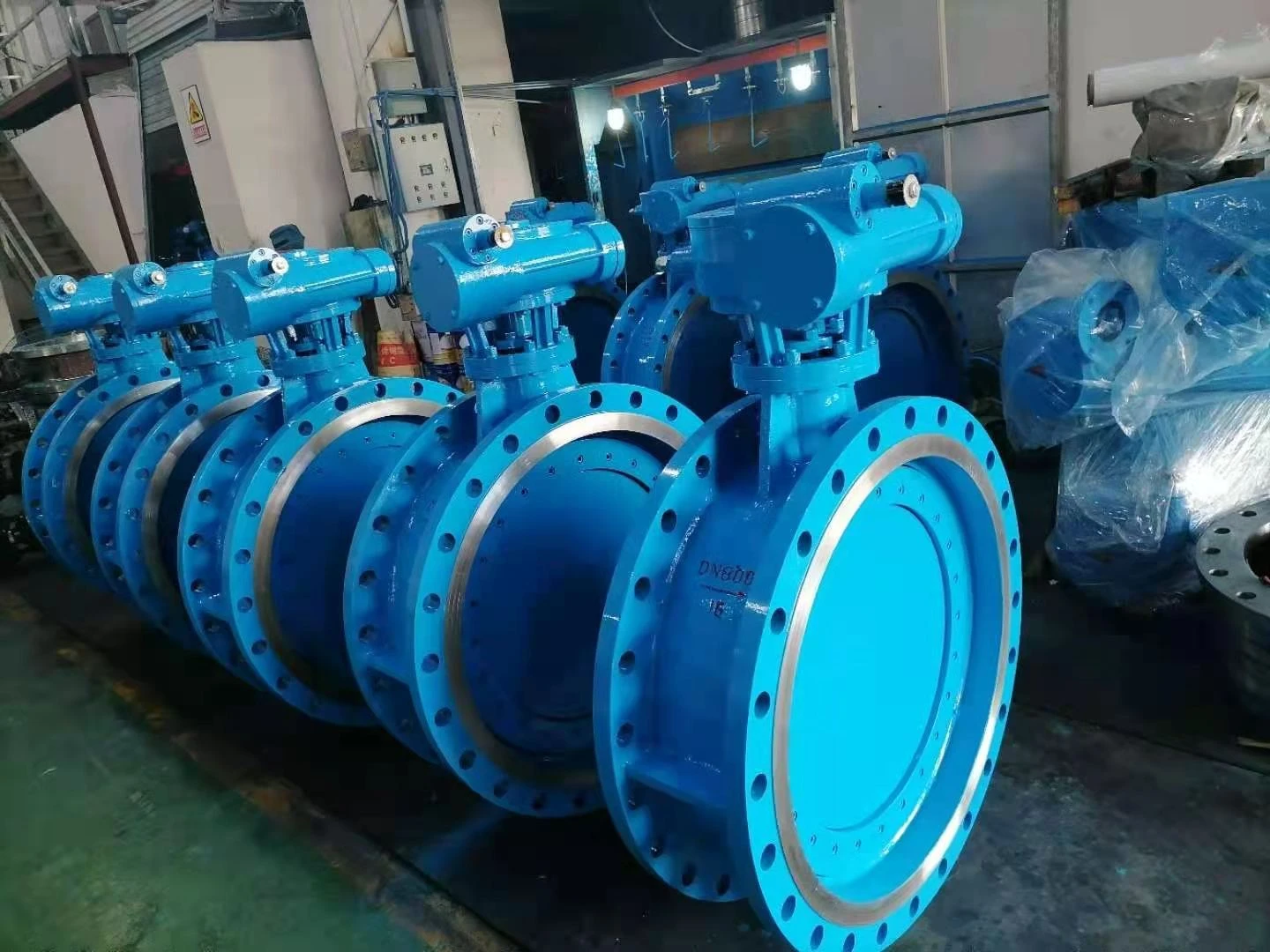
Various control valve types and their practical uses in different applications
Control valves are an essential component in various industries and applications, helping regulate t
 English